Commercial Framing in Wilmington, NC
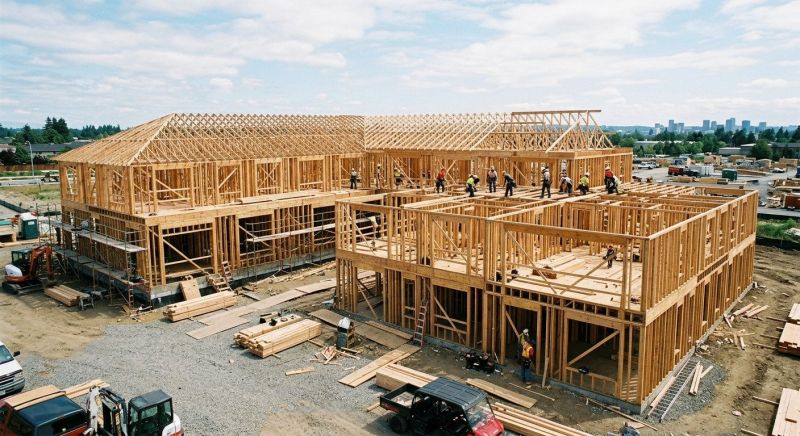
Commercial framing services involve the construction and installation of structural frameworks that support commercial buildings, such as offices, retail centers, warehouses, and industrial facilities. These services typically cover the framing of interior walls, exteriors, floors, and ceilings, providing the essential skeleton that shapes the building's layout and stability. Property owners often request commercial framing to ensure their project meets building codes, withstands environmental factors, and provides a solid foundation for subsequent construction phases.
Before requesting commercial framing, property owners usually want to understand the scope of the project, including materials used, estimated timelines, and the specific design requirements. It’s important to clarify the structural specifications, compatibility with existing building plans, and any local building regulations that might influence the framing process. Having detailed plans and a clear understanding of project needs can help ensure the framing services align with overall construction goals and property standards.
Many property owners in Wilmington, NC look into Commercial Framing for repairs, replacements, upgrades, and appearance-related improvements.
Commercial Framing Solutions
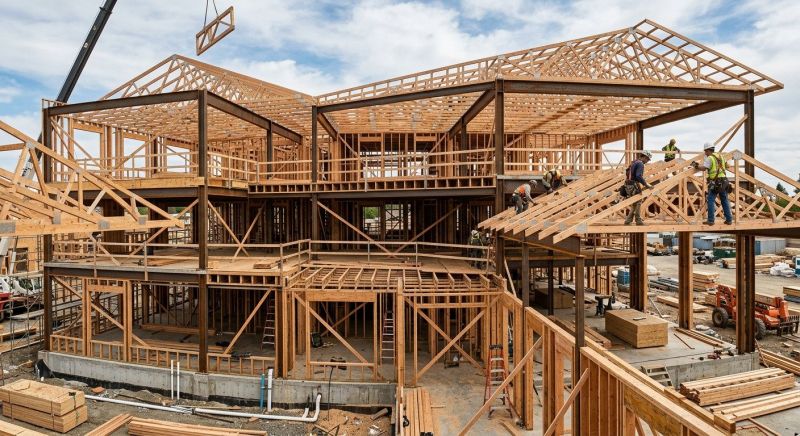
Custom framing options are available for retail stores, offices, and industrial buildings in wilmington, nc.
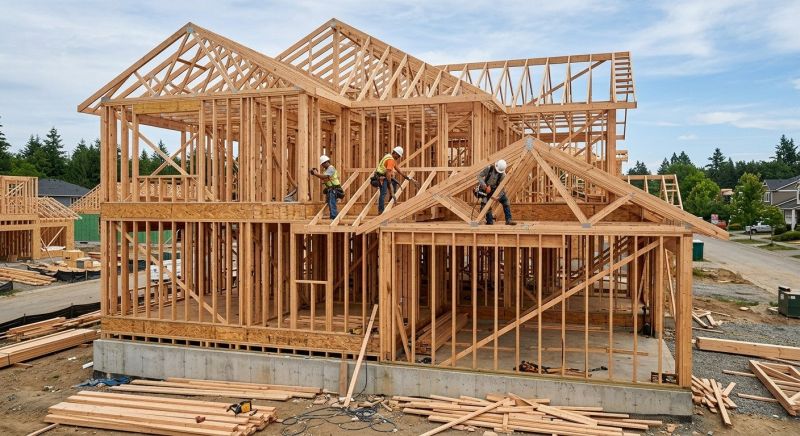
Building Interior Flexibility
Commercial framing allows for adaptable interior layouts to meet evolving business needs.
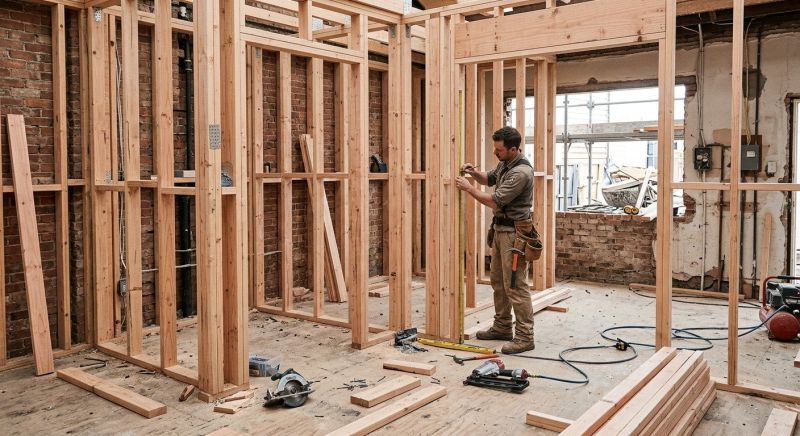
Durable Construction Materials
High-quality framing materials ensure long-lasting support for commercial structures in wilmington and nearby areas.
Commercial Framing in Wilmington, NC
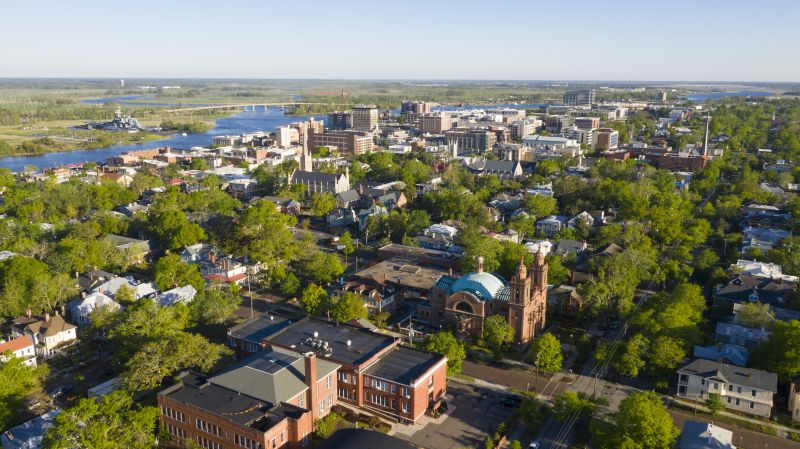
Commercial framing services involve the construction and installation of structural frameworks that support commercial buildings, such as offices, retail centers, warehouses, and industrial facilities. These services typically cover the framing of interior walls, exteriors, floors, and ceilings, providing the essential skeleton that shapes the building's layout and stability. Property owners often request commercial framing to ensure their project meets building codes, withstands environmental factors, and provides a solid foundation for subsequent construction phases.
Before requesting commercial framing, property owners usually want to understand the scope of the project, including materials used, estimated timelines, and the specific design requirements. It’s important to clarify the structural specifications, compatibility with existing building plans, and any local building regulations that might influence the framing process. Having detailed plans and a clear understanding of project needs can help ensure the framing services align with overall construction goals and property standards.
Many property owners in Wilmington, NC look into Commercial Framing for repairs, replacements, upgrades, and appearance-related improvements.
Common Commercial Framing Jobs
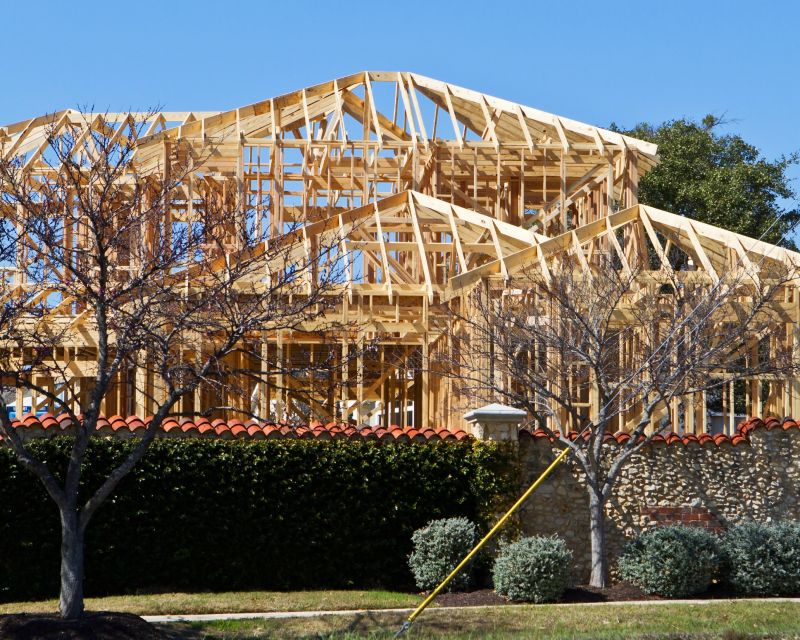
Commercial framing - provides the structural framework for retail stores, offices, and industrial buildings.
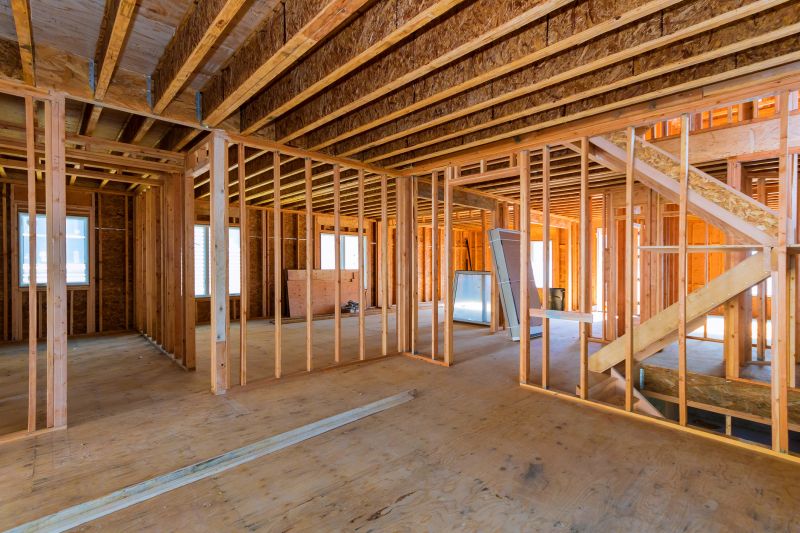
Interior framing - creates walls, partitions, and ceilings within commercial spaces for functionality and layout.
Exterior framing - supports the building envelope, including facades, storefronts, and window openings.
Steel framing - offers durable, long-lasting support for large-scale commercial projects.
Renovation framing - involves modifying or updating existing structures to improve space utilization.
Custom framing - tailored to specific design requirements for unique commercial building features.
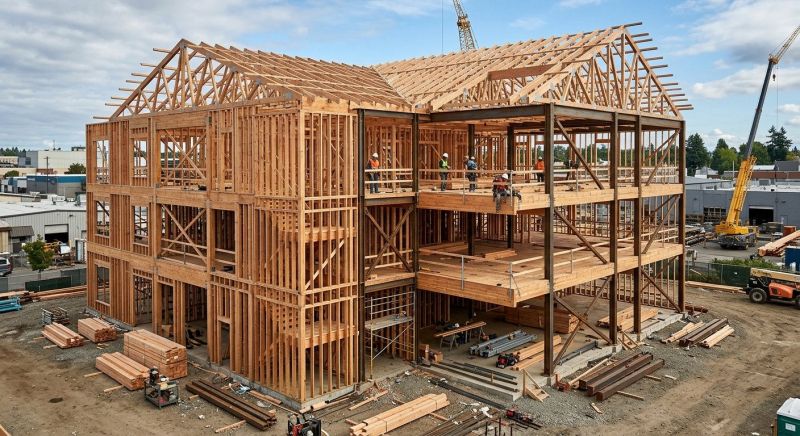
Commercial Framing Questions
What types of projects require commercial framing services? Commercial framing is used for constructing walls, partitions, and structural elements in office buildings, retail spaces, warehouses, and industrial facilities.
How does commercial framing differ from residential framing? Commercial framing often involves larger-scale structures, different materials, and design specifications suited for commercial building codes and load requirements.
What materials are commonly used in commercial framing? Steel, wood, and concrete are typical materials used to create durable and long-lasting commercial frameworks.
Why is proper framing important for commercial buildings? Proper framing ensures structural stability, supports building safety, and provides a solid foundation for interior finishes and systems.
Request Commercial Framing in Wilmington, NC
Use the quote form on this page to share the basics of your project and request more information for the type of work you need.